
"Ethiopia coffee defects"
2000 article(s) found

Old Ethiopian grading standards--Definition of grading for washing and solarization
Professional coffee knowledge exchange More coffee bean information Please pay attention to coffee workshop (Weixin Official Accounts cafe_style) Ethiopia old classification standard Ethiopian coffee beans are generally divided into five levels, according to washing and sun treatment for G1, G2, G3, G4, G5, the first and second levels for washed coffee beans, and sun coffee beans according to coffee quality is divided into G3,G4,G5 three and so on

How many kinds of coffee beans are there in Ethiopia? Yega snow caffeine Gediyo
Even the official research unit of Ethiopia does not know how many Arabica subspecies there are in Ethiopia. The coffee cooperatives in this mountain are certainly different from those planted in another mountain, and even small farmers in the same region grow different varieties of coffee. It has been estimated that there are at least 2000 varieties of Ethiopian coffee and even more than 4500 kinds of coffee. Compared to the southern neighbor Ken

A brief introduction to the planting market price of Yejia Sheffivoka boutique coffee beans with rich and charming fruit aroma
It has been a wetland since ancient times. The ancient saying "Yirga" means to settle down and "Cheffe" means a wetland. The mode of production and flavor of coffee here is so outstanding that Ethiopian coffee farmers compete to be proud of the flavor of their coffee, making it the most famous coffee producing area in Africa. At first, Yejassefi's coffee trees were planted by monks in Europe.

Introduction to the quality characteristics of Coffee Flavor description treatment in Yega Ficher Manor, Ethiopia
Ethiopia's Yega Fischer Yega Sheffield grading system is not based on the size of the mesh, but on the percentage of defective beans in the total number of raw beans. Commonly seen are wash G2 and sun G3 Yega Chuefei, G1 is the highest grade, Yega Xuefei, which has the lowest defect rate and the best quality, can be rated as Grade 1 only after hand selection. In

Qianjie Cafe Ethiopia Ardi Yadi processing Plant Solar Sidamo G1
Coffee beans details: country: Sidamo, Ethiopia: G1 production area: Michicha, Kelenso Moconissa town, Guji micro production area, baking degree: light baking method: scaffolding sun varieties: Heirloom processing plant: Ardi flavor: berries, berries, jackfruit, white grape acidity, berry aftertaste [factory introduction] in Sidamo for several years

Introduction to the characteristics of Ethiopian native variety heirloom coffee beans the difference between heirloom and Landrace coffee
Professional coffee knowledge exchange more coffee bean information please follow the coffee workshop (Wechat official account cafe_style) class minions-phylum-class-order-family-genus-species, coffee is Rubiaceae coffee, including three major varieties Arabica species Arabica, Robusta species Robusta and Lee

Ethiopian Coffee Bean Story Ethiopian Coffee Bean and Kenyan Coffee Bean Features Story
Professional coffee knowledge exchange More coffee bean information Please pay attention to coffee workshop (Weixin Official Accounts cafe_style) Ye Jia Xuefei, known for its fresh and bright taste and rich floral and fruity flavor. The washed Yerga Sherfie has the signature citrus lemon blossom and a taste of black tea. Even if it is a small partner who is initially exposed to single-item coffee, it can obviously feel its speed.

Introduction of Ethiopian Coffee Grade Analysis of Ethiopian Coffee beans
Ethiopian coffee beans are divided into five levels. The first and second stages are washed beans. Washed beans Grade1 represents 3 defective beans per 300g raw beans, and Grade2 represents 4 defective beans per 300g. Gradc1 grade water washed beans are very rare and are generally difficult to buy. At present, all the washed beans exported from Ethiopia are Grade2 grade. The quality of sun-dried beans is Grade3 and Grad in order.

Ethiopia Sunshine Ariga ARICHA introduction _ Yega Snow Ariga Coffee Bean Price
For more information on coffee beans, please follow the coffee workshop (Wechat official account cafe_style). The Kebel Aricha processing plant is located in the Gedeo region of southern Ethiopia, where the jurisdiction is better known by Yega Sheffei and Kochere. The treatment plant is located four kilometers west of the city of Yejasuffi, where there is a small place name Guji (

The flavor and taste of Ethiopian coffee introduces the characteristics of Ethiopian coffee varieties in Ethiopia.
Ethiopian beans look a little malnourished. However, the appearance of beans, Ethiopian coffee can be ranked as the world's most citrus aroma, whether instant coffee or freshly ground coffee, the extraction will smell the pungent aroma of orange or lemon. The entrance is characterized by strong floral, fruity, sour and sweet aromas, but mellow in thickness.
Grade analysis of Ethiopian coffee beans how about Ethiopian coffee? Ethiopian coffee
Ethiopian coffee beans are divided into five levels. The first and second stages are washed beans. Washed beans Grade1 represents 3 defective beans per 300g raw beans, and Grade2 represents 4 defective beans per 300g. Gradc1 grade water washed beans are very rare and are generally difficult to buy. At present, all the washed beans exported from Ethiopia are Grade2 grade. The quality of sun-dried beans is Grade3 and Grade4 in order.
Introduction to African boutique coffee: what are the characteristics of Ethiopian Hachilla coffee
More information on coffee beans Please follow Coffee Workshop (official Wechat account cafe_style) among the coffee-producing countries, Ethiopia has an almost legendary status, not only because it is the birthplace of Arabica coffee, but also because it is different from most coffee-growing countries, coffee is not a plant that colonizes an alien cash crop. Planting, processing

High-quality Indonesian coffee raw bean classification standard brand altitude planting environment origin
Boutique coffee beans 1. Generally speaking, coffee is not classified according to altitude in countries near the equator because coffee is grown at a higher altitude. In addition, if it is picked by hand and processed by washing, it will not be graded by bad points because there are few immature beans and sundries mixed in. Therefore, the size of the sieve number is generally used as the grading standard. Such as: Colombia, Tanzania

Introduction to the characteristics of Flavor description treatment of Ethiopian Coffee Bean varieties
Ethiopian coffee taste variety Ethiopian coffee should be the only pollution-free green organic coffee in the world. Ethiopia still uses traditional planting methods to artificially care for coffee trees, and fertilizers are mainly deciduous leaves, withered grass and animal manure, replacing harmful pesticides and herbicides used on a large scale in other coffee-producing countries. Ethiopia now produces mocha-Mocha coffee

Opinions on the selection of defective coffee beans
Anyone who has baked coffee knows that no matter how good the boutique manor coffee is, even the COE award-winning coffee will inevitably be mixed with a small amount of defective beans. So sometimes in pursuit of a better flavor, roasters pick up coffee beans that are noticeably flawed before or after roasting. Ethiopia is the hometown of coffee, and there are still a large number of native species of coffee.
Ethiopian Konga Ethiopian Solar method High-shelf Solar method Sida, Ethiopia
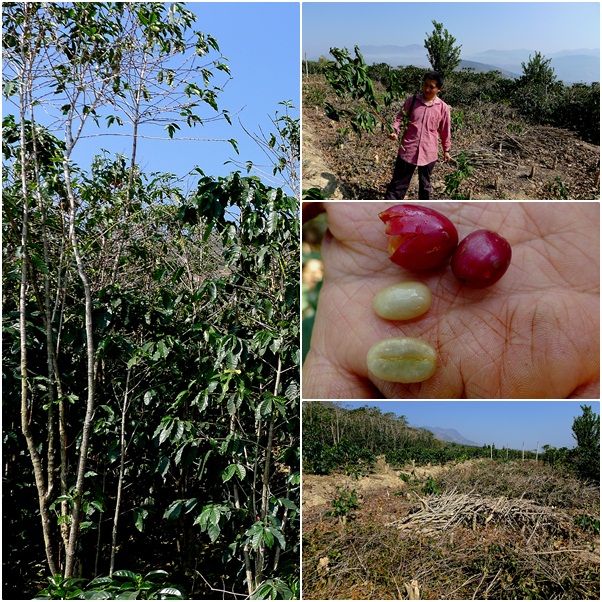
About the Ethiopian sun exposure (high-shelf sun exposure): in the past, the Ethiopian sun exposure was to spread wild coffee fruits directly on the mud ground for exposure. This method has two disadvantages: 1. After picking, the beans have not been specially screened and treated, the uneven appearance and maturity are mixed together, and the process is relatively rough, so the quality of coffee beans is unstable.

An introduction to the Flavor description of the Manor in Xidamo Shachiso, Ethiopia
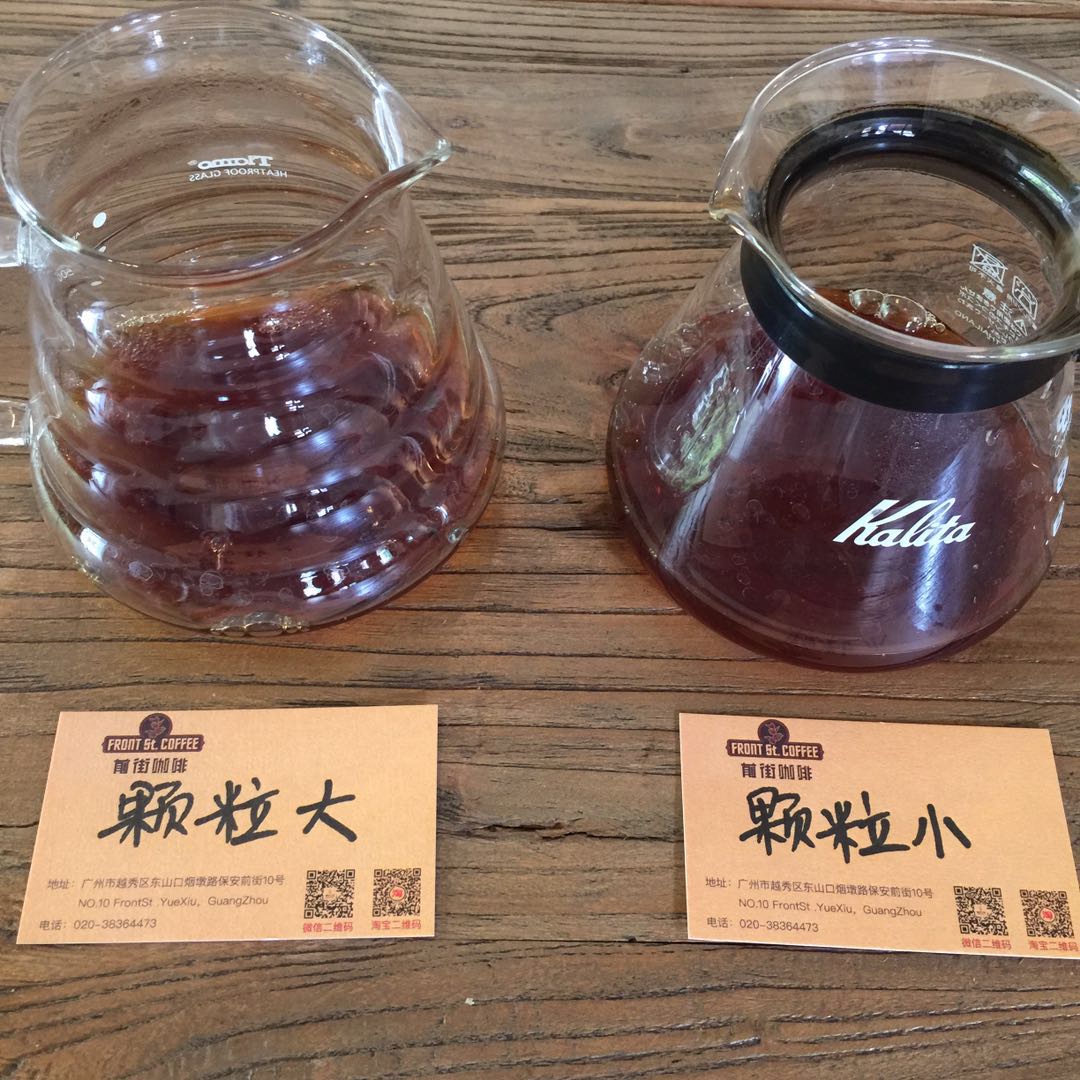
Ethiopian beans are easily recognizable, mostly small and pointed long beans, known as longberry, and often mixed with small oval-shaped short beans, called shortberry, which look uneven in size and appearance. The commercial bulk beans of Grade4 or Grade5 are mostly mixed with hundreds of different crystal seeds in different producing areas, so the phenomenon of uneven bean phase is the most obvious.
Why are Ethiopian coffee beans always big and small? Is there any difference in flavor?
For professional baristas, please follow question 1 of the coffee workshop (official Wechat account cafe_style): why are Ethiopian coffee beans always big and small? If you are very fond of African beans, it should be easy to find that Ethiopian beans are generally of different sizes and have significantly lower evenness than those in Kenya. Whether it's Yega Sheffield or Sidamo,

Yerga Sherphine Cochel G1 Taste Description Flavor Variety Region Coffee Bean Estate Introduction
Yerga Sherphine Cochel G1 Taste Description Flavor Variety Area of origin Coffee bean estate introduction, sun exposure Yerga Sherphine has strict collection of red fruit (coffee tree fruit) standards, before the exposure of coffee fruit to artificial removal of immature green fruit or defective fruit, sun exposure process and then remove damaged or moldy fruit, two weeks after the pulp sugar and essence of all into the coffee beans, moisture content reduced to 12%,

Select defective coffee beans in pursuit of better flavor
Anyone who has baked coffee knows that no matter how good the boutique manor coffee is, even the COE award-winning coffee will inevitably be mixed with a small amount of defective beans. So sometimes in pursuit of a better flavor, roasters pick up coffee beans that are noticeably flawed before or after roasting. Ethiopia is the hometown of coffee, and there are still a large number of native species of coffee.